
Above the tree line, the weather can change much faster than down in the valley. The morning may start clear and calm, clouds can roll in around noon, and by the afternoon, a thunderstorm may arrive. Warm air rises from the valleys and cools above the mountain ridges, creating favourable conditions for storm clouds to form. This is quite common in August. What’s more, the temperature drops by approximately 0.6°C for every 100 metres of elevation gain, so a pleasant 25°C in the valley can easily turn into around 15°C on the ridge.
Layering: the details we often forget
In the mountains, it’s not only the weather that can make things uncomfortable, but also the wrong clothing. Cotton absorbs moisture and holds onto it, so it’s better to choose a functional base layer worn directly against the skin. It helps wick sweat away from the body and keeps you dry even during more intense activity.
The same principle is used in VoXX INSPIRED functional clothing. It combines an inner layer made from silproX® polypropylene with silver ions and an outer layer made from CLIMAYARN merino wool. Moisture is quickly transported away from the skin, while merino wool helps it evaporate. Silver ions also help reduce the growth of bacteria, helping you stay fresh even during longer wear. Thanks to these properties, the clothing performs well in changing mountain conditions.
Three things people often forget about layering
The right material for the base layer. Choose functional fibres or merino instead of cotton, as they wick moisture away from the body more effectively.
An extra layer in your backpack. Even in August, a lightweight sweatshirt or additional functional layer can come in handy if the temperature drops unexpectedly.
Dry socks are essential for comfort. It’s worth carrying a spare pair in case your socks get wet or your feet sweat more during the hike.
Give your feet the support they need
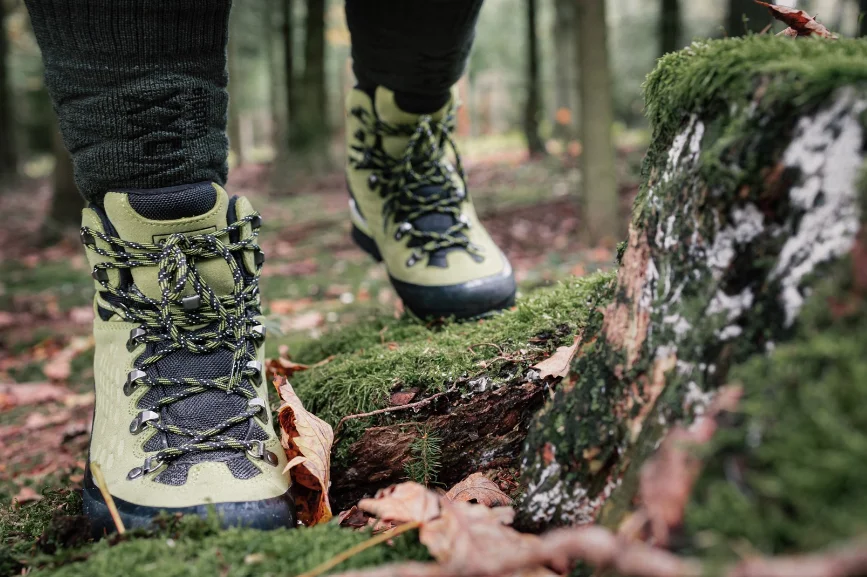
Your feet take a real beating on longer hikes. Cool, dewy mornings, warm afternoons and long hours spent in hiking boots can all take their toll. That’s why it pays to choose socks that can handle changing conditions. They wick moisture away when your feet heat up and provide welcome warmth when the temperature drops.
A great choice is VoXX OPTIMUS merino socks with silver ions. Merino wool naturally helps regulate temperature, keeps your feet warm in cooler weather and manages moisture well throughout the day. The smooth chain-stitched toe helps prevent uncomfortable rubbing, while the soft medicine cuff adds comfort without constricting the leg.
Thanks to their thinner design, OPTIMUS socks are also suitable for trekking shoes in warmer weather, while still offering plenty of comfort in cooler conditions above the tree line.
For more demanding terrain or colder conditions, choose the thicker terry VoXX ZENITH socks. Their anatomical shape and reinforced sole make them a reliable choice for longer treks and mountain hiking, where your feet need extra protection and cushioning.
Ready for the trail
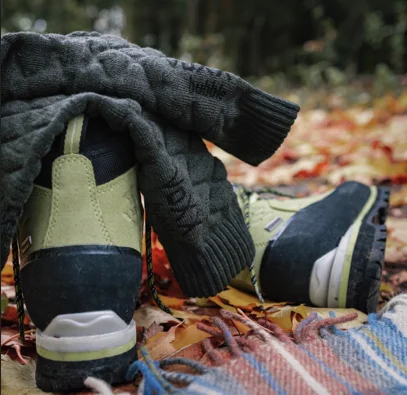
In the mountains, it pays to be prepared. Checking the forecast, layering your clothing properly, and choosing the right functional underwear and socks are the foundation of a comfortable day on the trail.
August is also one of the most beautiful months for mountain adventures. Just be ready for sudden changes in the weather and choose gear you can rely on in every situation. And when it comes to taking the right step in the mountains, you can count on us.