
Spring is the perfect time to go through your wardrobe, and socks are often the ones we forget at first glance. Yet, taking proper care of our favorite pairs determines whether they last just one season or several years. Whether you have wool, cotton, or performance material socks, each type requires a different way of washing and maintenance. Let's take a look at the basic rules for taking good care of them.
Washing by material
The most important rule: always read the label. But if you don't have it, here's a reliable overview of all the materials you'll find in our sock range at Fuski.eu.
Merino, alpaca, and cashmere are luxury fibers that share the same washing requirements. It's recommended to use a gentle cycle at 30°C. For better care, choose a special wool detergent that gently treats the fibers and extends their lifespan. Under no circumstances should you wring these socks, as it would damage them.
You can wash cotton, bamboo, hemp, and linen at 40°C, which is a temperature that's safe for most other clothing too. Socks made from these materials are durable and can be washed together with other pieces of clothing.
Wash socks with silver ions (SilproX®) without fabric softener, because it coats the fibers and reduces the antibacterial effect. Silver keeps its properties even after hundreds of wash cycles, but only with gentle handling.
Nylons and stockings belong in a mesh laundry bag. It protects the fibers from tearing and keeps their elasticity. Never put them in the dryer.

Drying and shelf life
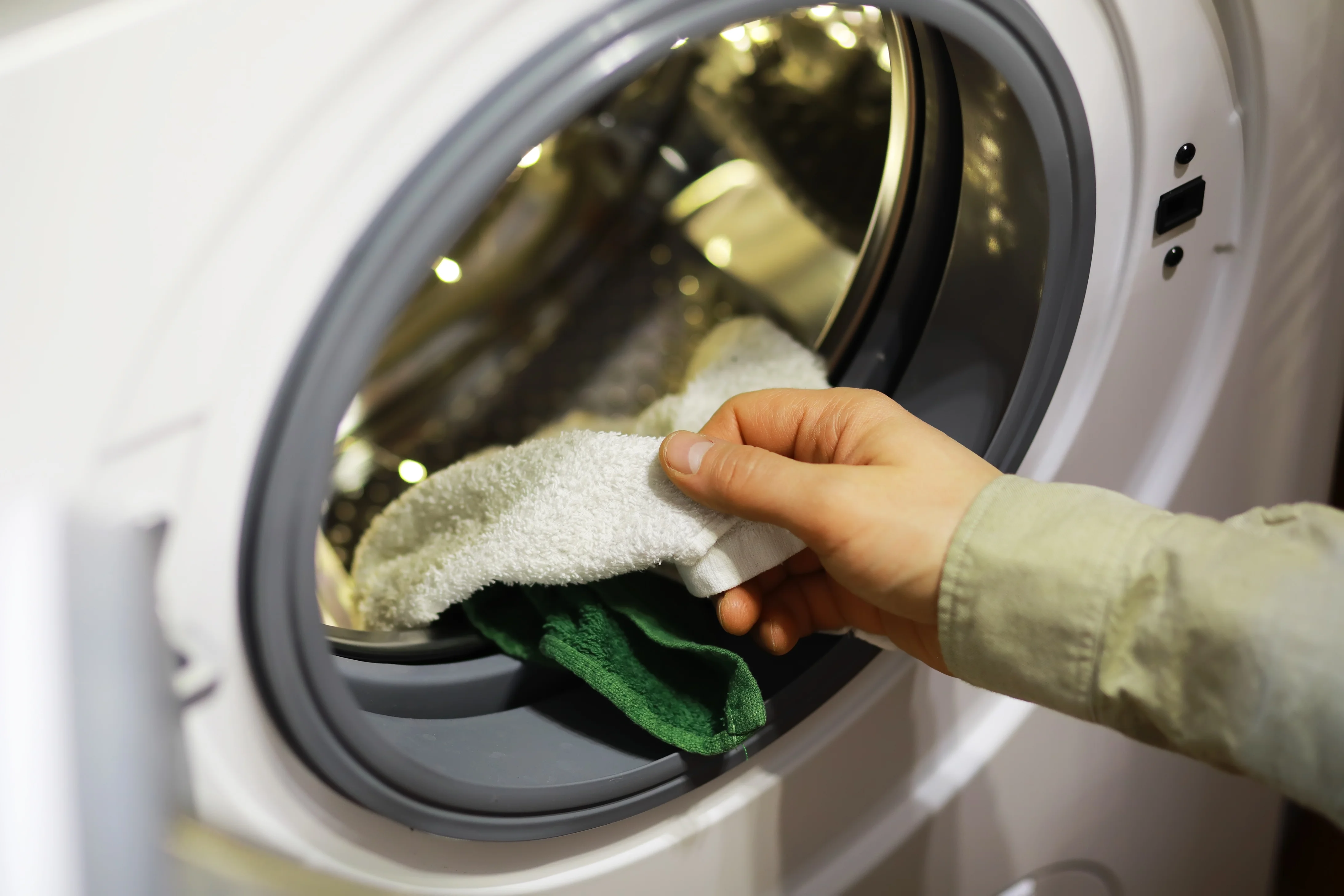
Drying socks is an important step that really affects how long they last. Always dry them flat or hang them by the toe. Never dry them by the cuff, because it will get misshapen. Wool materials like merino, alpaca, and cashmere should never go in the dryer, as it weakens the fibers.
Cotton and bamboo socks can go in the dryer, but only on low heat. Frequent drying in the dryer actually shortens the fibers, so we recommend using this method as little as possible.
Properly cared-for Fuski usually last 2 to 5 years of active wear. Socks made from merino or cashmere can last even longer, thanks to the natural elasticity of these fibers.
Folding and storage
There are three main ways to fold socks:
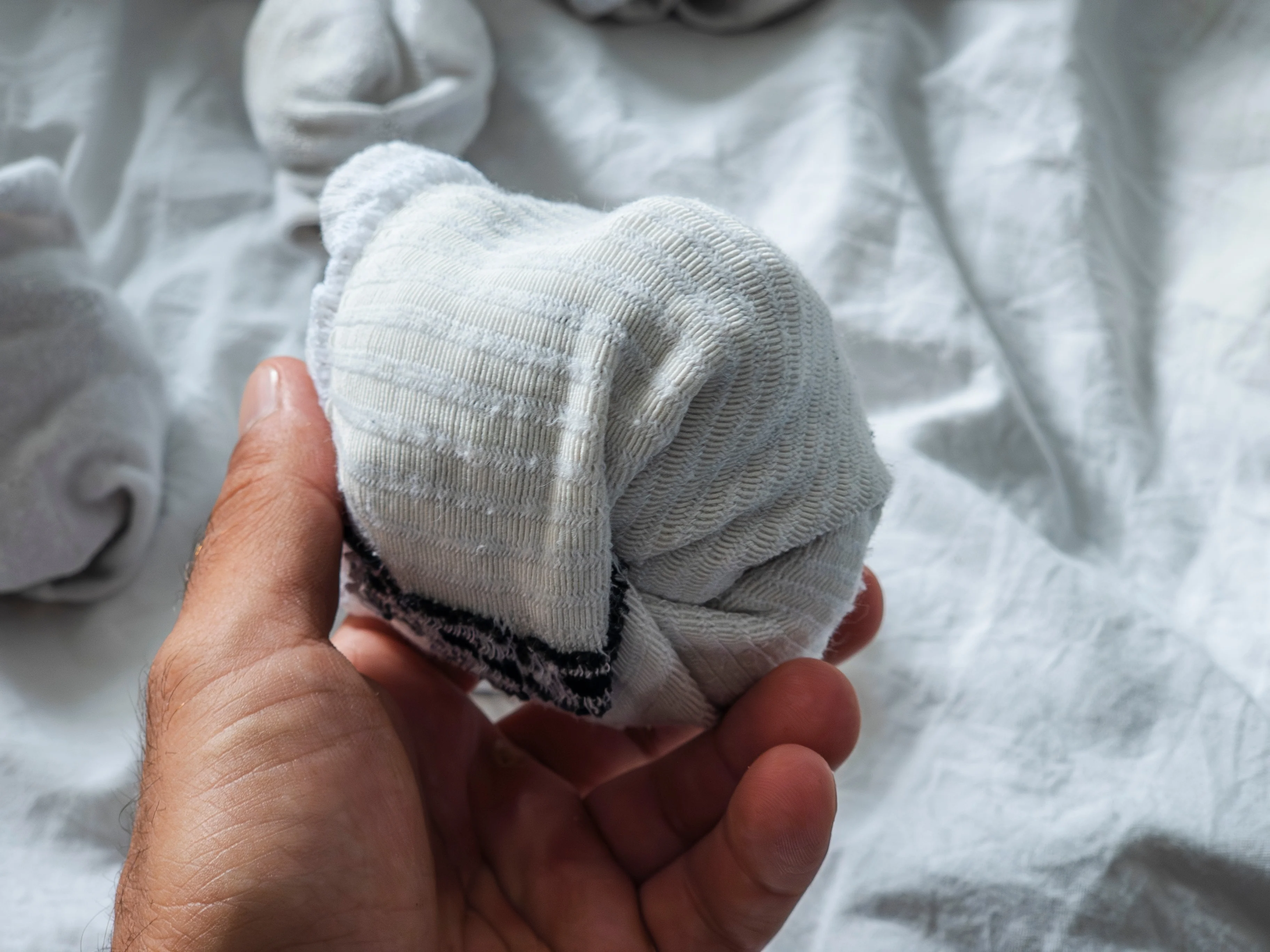
Roll into a ball: This method is practical, but it overloads nylon and thin socks at the hem.
Fold in thirds: The most gentle method, suitable for all materials.
Military method: Quick method, but not suitable for merino and alpaca socks, where there is a risk of stretching.
For long-term storage, we recommend wrapping wool socks in a cotton bag and adding cedar balls. Cedar naturally repels moths and keeps socks in good condition.