
Why is the skin on the soles of your feet different from the rest of your body?
Feet are one of the toughest parts of the body and at the same time an extremely sensitive area. They have a denser network of nerve endings than most of the body surface and are closed in shoes all day, where the temperature easily exceeds 35 °C and airflow is minimal. That’s exactly why bacteria, fungi, and yeasts thrive here, causing itching, odors, fungal infections, or dermatitis.
People with atopic eczema, diabetics, athletes with high heart rates, or simply those who have dry skin need a material that wicks moisture, doesn’t irritate, and naturally inhibits the growth of microorganisms. And that’s not something every pair of socks can do.

Bamboo: a natural antibacterial fiber
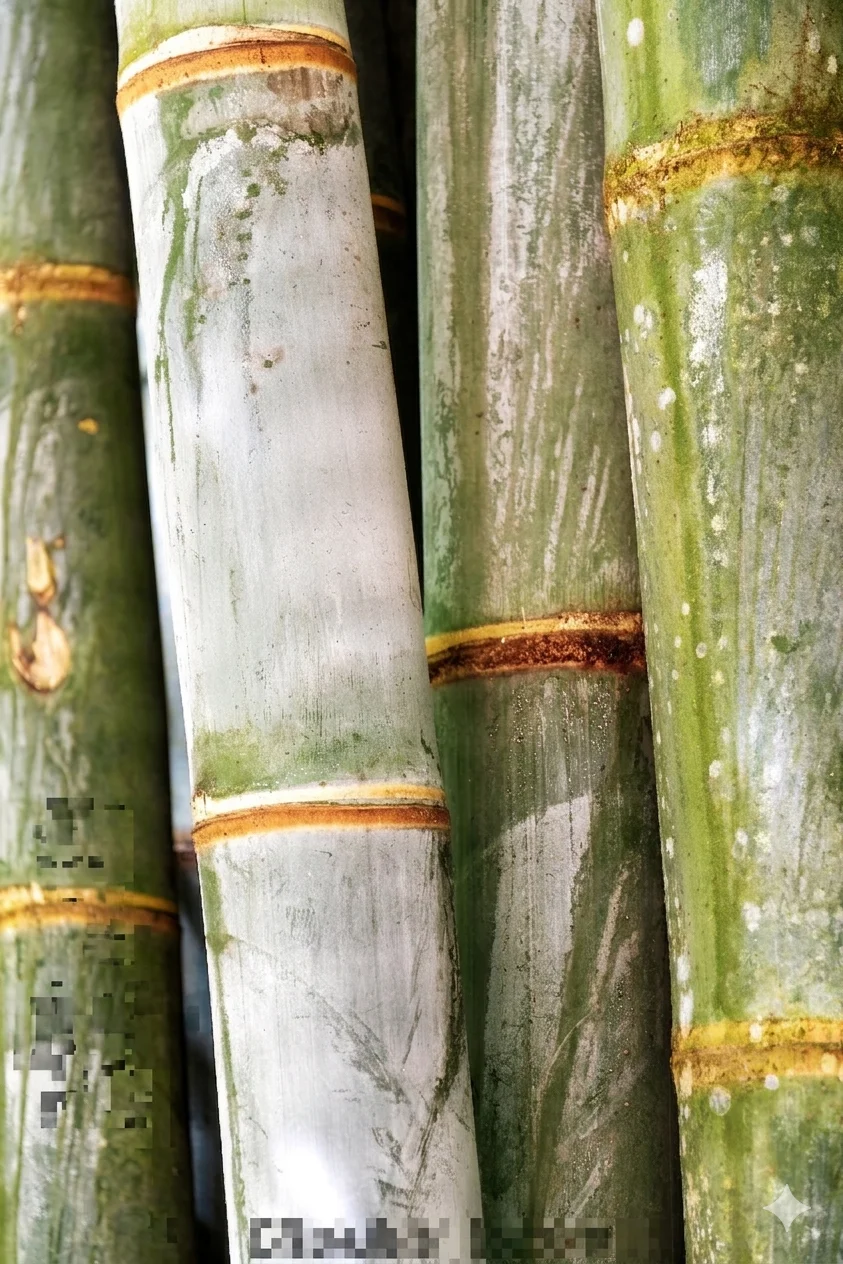
The properties of bamboo fiber have a real scientific basis. Bamboo naturally resists insects and mold, and it retains this property to some extent even as processed fiber.
The key is the bamboo antimicrobial peptide, which lasts even after repeated washing. In practice, this means bamboo socks smell less, even if you wear them for a long time or exercise in them. For people with sensitive skin or a tendency to fungal infections, this is a significant advantage.
Plus, it has a silky surface texture. The result is that the sock doesn’t press or irritate even very sensitive skin or surgical scars.

What should a sock for sensitive skin meet?
Hypoallergenic: The fiber must not contain irritating substances. Be careful of synthetic dyes in fabric softener.
Moisture wicking: Damp skin softens and becomes more susceptible to pressure sores and mycoses. The material should wick sweat away from the skin, not retain it.
Antibacterial properties: They prevent the growth of microorganisms, eliminate odor and reduce the risk of fungal infections.
Seamless or flat seams: A seam in the wrong place will cause a blister after a long hike or run. Look for socks with a flat or seamless seam at the toe.
Proper compression and shape: Even the best material will not help if the sock slips or squeezes in the shoe. Anatomical cut keeps the sock where it should be.
Material combos: why pure bamboo isn't enough for sports
A pure bamboo sock is great and really comfortable for at home or around town. But for sports, you need more durability, which is why modern athletic socks use smart composites: bamboo or merino as the primary fiber provides natural properties, and then nylon is added for strength, elastane for an anatomical fit.
A well-designed combination might look like this: 60–70% bamboo viscose for softness and antibacterial effect, 20–25% nylon for durability in the heel and toe, and 5–10% elastane for shape.
The result? A sock that can handle intense workouts, doesn’t stink at all, and keeps you comfortable.

If you've been struggling with dry skin on your feet, recurring fungal infections, blisters from sports, or just the feeling that your socks don’t stay in place after a few hours, the problem is most likely the material you're wearing.
Choose bamboo for softness, antibacterial properties, and absorbency. Merino for temperature regulation and hypoallergenic comfort. It’s a smart combo perfect for sports, which you can find at fuski.eu.
With us, you won’t go wrong!